Best Time to Drive to Avoid Traffic (By City, Day & Hour)
The difference between the worst and best departure time on a congested commute can be 30–60 minutes each way. This guide covers the universal patterns that hold across most US cities, the city-specific peaks you need to know, and how to find the exact best window for your route.
The Short Answer
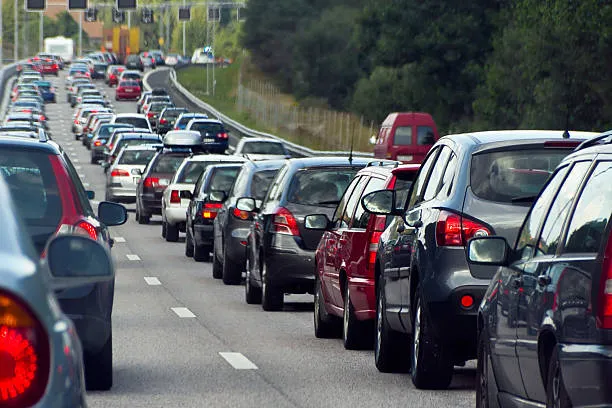
If you're looking for a general rule: before 6:30 AM or after 7:30 PM on weekdays is when most US urban highways run near their daily minimum. The midday window from 9:30 AM to 3:00 PM is the next best option on most routes.
| Time Window | Traffic Level | Best For |
|---|---|---|
| Before 6:30 AM | Lightest | Any route — highways at near-minimum drive times |
| 6:30 AM – 9:30 AM | Morning peak | Avoid if possible; worst window for inbound urban commutes |
| 9:30 AM – 3:00 PM | Light–moderate | Errands, appointments, cross-city trips |
| 3:00 PM – 7:30 PM | Evening peak | Avoid if possible; worst window for outbound commutes |
| After 7:30 PM | Light | Most corridors clear; near-overnight conditions by 8:00 PM |
| Saturday morning | Lightest day | Lowest traffic of the week on most highway routes |
| Friday afternoon | Worst day | Evening peak starts early and lasts longest |
These are averages. The specifics vary significantly by city, corridor, and day of week — and your route may behave differently from the city-wide pattern. The only way to know for certain is to run your specific origin and destination through a tool that analyzes your route's actual data.
Best (and Worst) Days of the Week to Drive
Day of week matters as much as time of day. Here's how the typical US weekday traffic week stacks up:
Why Friday is the worst
Friday combines a full weekday commute volume with people leaving early for the weekend, remote workers completing in-office days, and travelers heading out of the city. In most metros, the evening peak starts 45–90 minutes earlier on Fridays than on other weekdays, and it lasts proportionally longer. In cities like Atlanta and Los Angeles, Friday afternoon traffic can be severe by 3:00 PM.
Why Tuesday and Wednesday are best
Midweek is when hybrid work schedules spread most evenly. Monday sees a concentration of remote workers coming in for the week; Thursday sees workers front-loading their last in-office day before a Friday WFH. Tuesday and Wednesday tend to have the most evenly distributed commute volume — which means lighter peaks, not lighter overall volume.
Sunday afternoon: don't be surprised
Sunday is generally light in the morning, but the 3:00–6:00 PM window sees a consistent build as people return from weekend travel, beach trips, or family visits. Some suburban corridors — especially those serving beach communities or resort areas — see Sunday afternoon traffic rivaling weekday peaks. If your route falls into this category, your heatmap will show it clearly.
Best Times to Drive by City
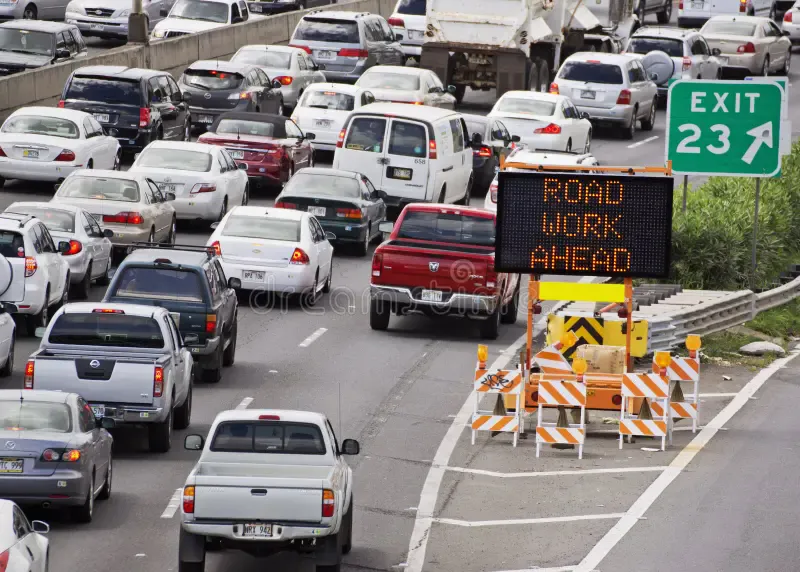
National averages hide large city-to-city variation. Here's a quick breakdown of the best and worst windows for the most searched US metros.
| City | Morning peak | Evening peak | Best window |
|---|---|---|---|
| Los Angeles | 7:00–9:30 AM | 4:00–7:30 PM | Before 6:30 AM or after 7:30 PM |
| New York City | 7:30–9:30 AM | 4:30–7:00 PM | 10:00 AM–3:00 PM or after 7:00 PM |
| San Francisco Bay Area | 7:00–9:30 AM | 4:00–7:00 PM | Before 6:30 AM or after 7:00 PM |
| Atlanta | 6:30–9:30 AM | 3:30–7:30 PM | Before 6:30 AM or after 7:30 PM |
| Chicago | 7:00–9:00 AM | 4:00–6:30 PM | Before 6:30 AM or after 6:30 PM |
| Houston | 6:30–9:00 AM | 4:00–6:30 PM | Before 6:30 AM or after 6:30 PM |
| Seattle | 7:00–9:00 AM | 4:00–6:30 PM | Before 6:30 AM or after 7:00 PM |
| Washington DC | 7:00–9:30 AM | 4:00–7:00 PM | Before 6:30 AM or after 7:00 PM |
Atlanta stands out for its unusually long evening peak — the 3:30–7:30 PM window is one of the longest of any major US city and is largely structural, driven by the lack of rail alternatives for most suburban commuters. Los Angeles is notable for how severely a single incident can cascade across multiple corridors simultaneously.
Find the Best Time for Your Specific Route
General guidelines only go so far. Enter your origin and destination to get a 7-day heatmap showing the exact best departure windows for your commute — not a city average, but your actual route's traffic pattern.
route Analyze My RoutePractical Tips for Timing Your Drive
30 minutes earlier is usually enough
You don't need to leave at 5:00 AM to beat traffic. On most routes, leaving 30 minutes before the peak window starts saves more time than it costs — you leave at 6:30 AM instead of 7:30 AM and arrive 30–45 minutes earlier while spending the same or less total transit time.
Friday is not the same as other weekdays
Always treat Friday as its own category. If you have a Thursday or Friday afternoon trip, run it specifically — the Friday heatmap frequently looks dramatically different from Tuesday's in the same time slot.
Direction matters as much as time
Morning rush flows toward city centers; evening rush flows away. If you're driving against the primary commute direction — outbound in the morning, inbound in the evening — your experience will be dramatically better than the headlines suggest for that corridor.
September is the worst month almost everywhere
Schools reopening, full workplace occupancy returning, and active construction season converging in September consistently produces the worst average travel times of the year in most US cities. If you're starting a new commute in September, expect worse conditions than you'll see in October or later.
City-wide data doesn't apply to your route
A city that ranks as the 5th most congested in the US may have your specific corridor running freely at 8:30 AM — or a supposedly "light" city may have a brutal bottleneck exactly on your path. The only reliable data is route-specific. A 7-day heatmap for your exact origin and destination is more useful than any city ranking.
Deep-Dive Traffic Guides by City
For detailed rush hour times, worst corridors, and seasonal patterns in specific metros:
Frequently Asked Questions
What is the best time to drive to avoid traffic?
Before 6:30 AM or after 7:30 PM on weekdays in most US cities. The midday window (9:30 AM–3:00 PM) is also significantly lighter than rush hours. Saturday morning is the lightest time of the week on most highway routes.
What is the best day of the week to drive to avoid traffic?
Tuesday and Wednesday are consistently the lightest weekdays in most US metros. Saturday is the lightest day overall. Monday mornings and Friday evenings are the worst — treat these as their own category when planning.
What time does morning rush hour end?
Between 9:00 and 9:30 AM in most major cities. In cities with very long commute corridors like Atlanta or Los Angeles, congestion can linger until 9:30–10:00 AM. After 9:30 AM, most urban freeways return to moderate flow.
What time does evening rush hour end?
Between 7:00 and 7:30 PM in most US cities. Atlanta is an outlier — its evening peak can run until 7:30–8:00 PM on weekdays. After 7:30 PM on most corridors, drive times approach their overnight minimums.
Is Friday traffic worse than other weekdays?
Yes, consistently. The Friday evening peak starts 45–90 minutes earlier than other days and lasts longer. If you can leave before 2:30 PM or after 7:30 PM on Fridays, you'll avoid the worst of it on most routes.
Does traffic get worse in September?
Yes. September is the worst month for traffic in most US cities — schools reopen, full workplace occupancy returns, and construction season is still active. The shift from August to September is often abrupt and noticeable within the first week.